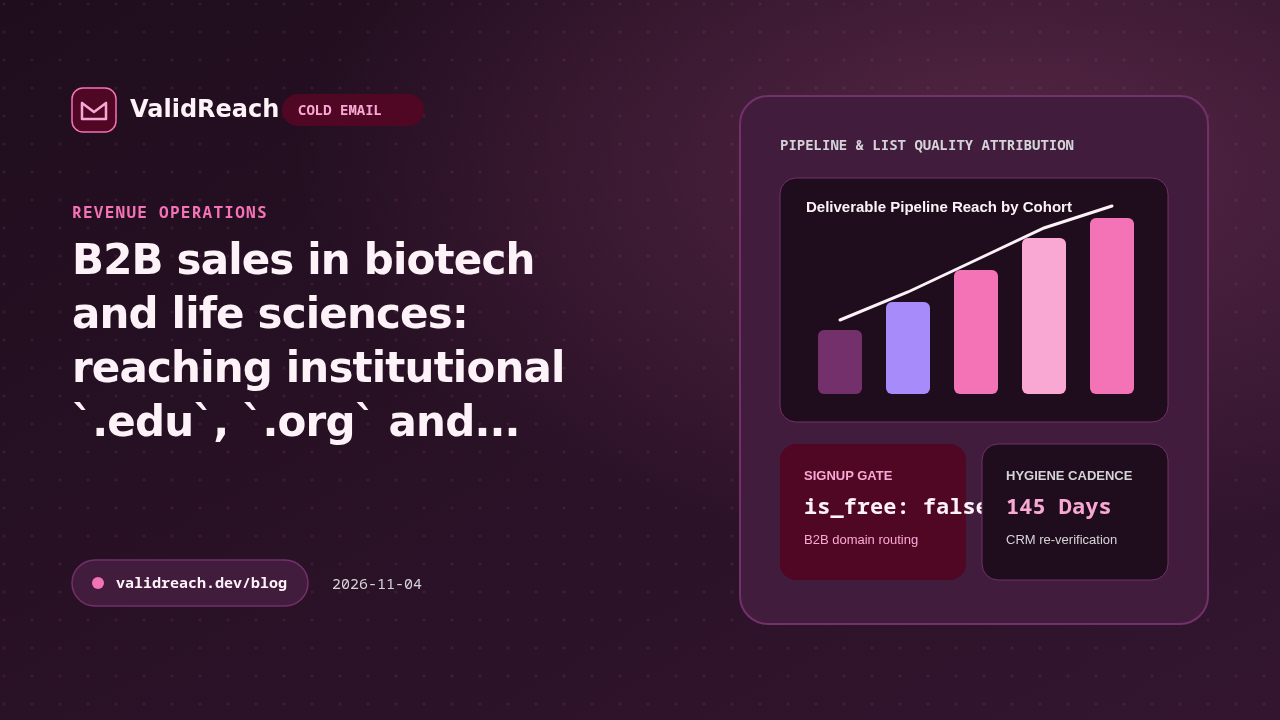
Selling laboratory equipment, reagents, clinical software or CRO services in biotech and life sciences involves communicating with three distinct types of recipient infrastructure: university research labs (.edu / .ac.uk), hospital networks and enterprise pharmaceutical domains.
Why biotech and academic contact lists decay rapidly
- High academic cohort turnover: graduate researchers, postdocs and visiting fellows rotate every one to three years. Conference attendee lists and publication author emails quickly turn into
550 5.1.1hard bounces. - Strict institutional Secure Email Gateways (SEGs): universities, teaching hospitals and pharma companies deploy aggressive edge filters (Proofpoint, Mimecast, Cisco Secure Email) that block domains sending to deactivated addresses.
- Departmental role addresses: lab ordering and procurement contacts often use shared role accounts (
labmanager@,procurement@,orders@).
Best practices for life-science sales and marketing teams
- Verify conference and journal-author lists before every send: run CSV exports through ValidReach bulk verification (and see our university email verification guide) to remove expired
.edumailboxes. - Quarantine
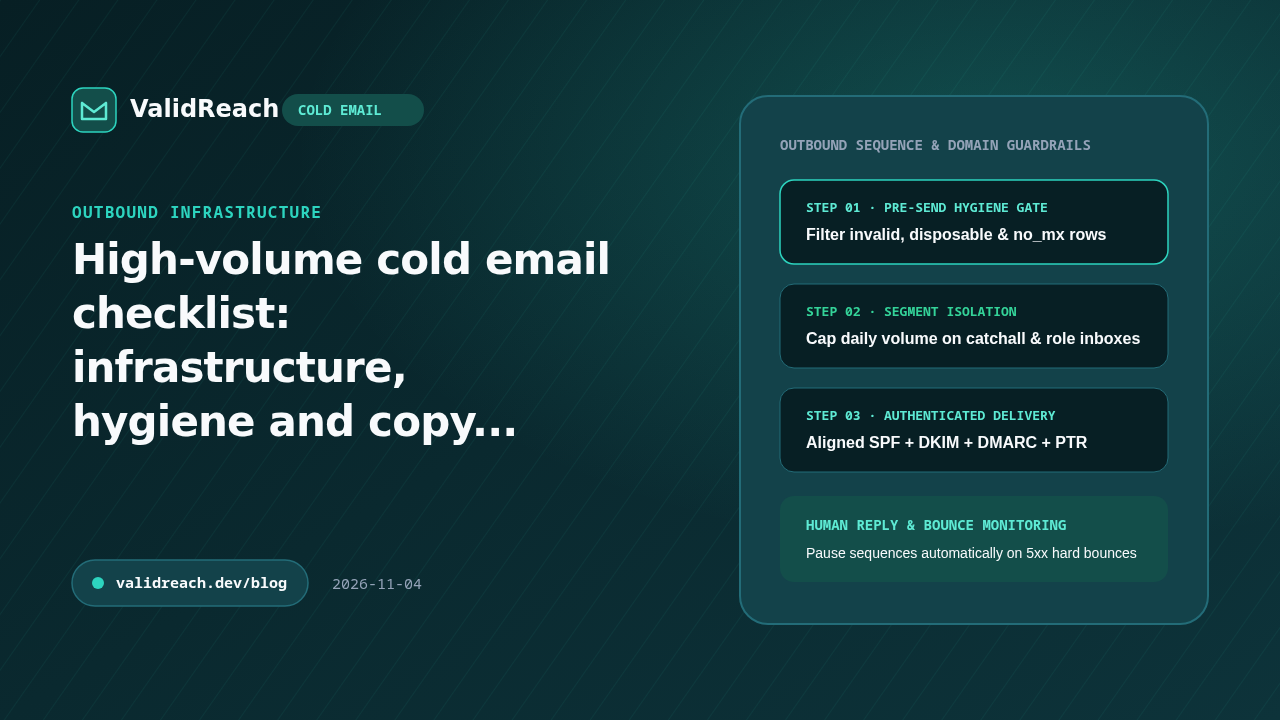
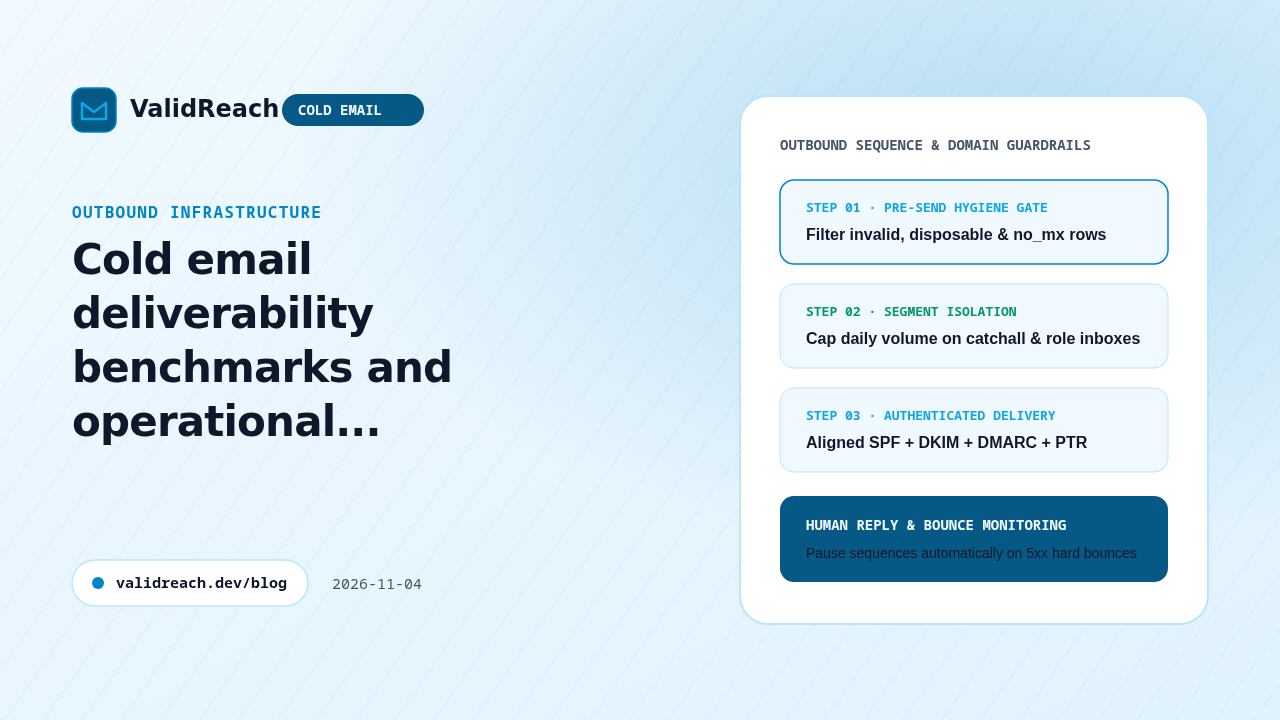
catchallpharma domains: large pharmaceutical companies frequently operate catch-all mail gateways; cap daily sending volume tocatchallrecipients and monitor bounce codes closely. - Authenticate sending domains: publish strict SPF, DKIM and DMARC records and include one-click unsubscribe headers (RFC 8058).
Sources
- IETF RFC 5321 — Simple Mail Transfer Protocol — accessed 2026-11-04
- ValidReach University Email Verification Guide — accessed 2026-11-04
- ValidReach Bulk Email List Verification — accessed 2026-11-04