Headline claims promising a fixed jump in open rates ignore a basic technical reality: tracking pixels are pre-fetched by privacy proxies such as Apple Mail Privacy Protection and blocked by corporate security gateways. Sustainable B2B engagement comes from reaching real human inboxes with relevant messages—not chasing inflated pixel metrics.
1. Remove dead and high-risk addresses before sending
Every hard bounce shrinks the denominator of deliverable mail while damaging your sender reputation with corporate gateways:
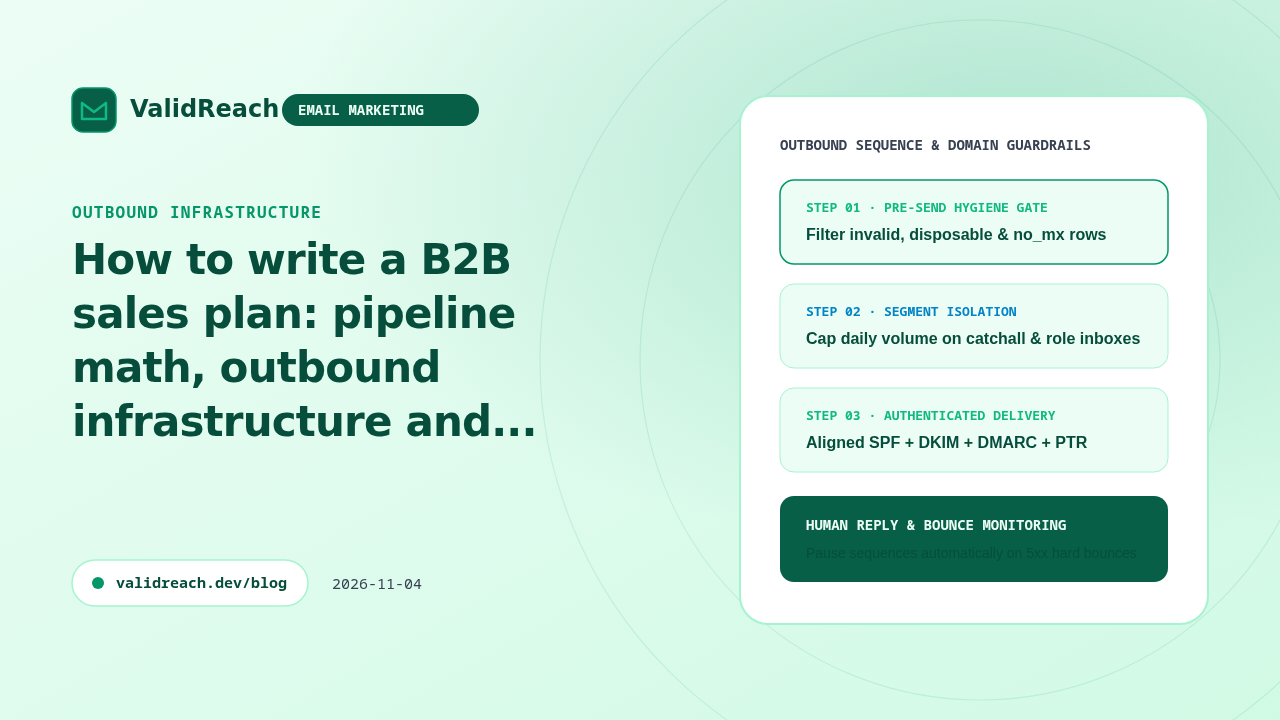
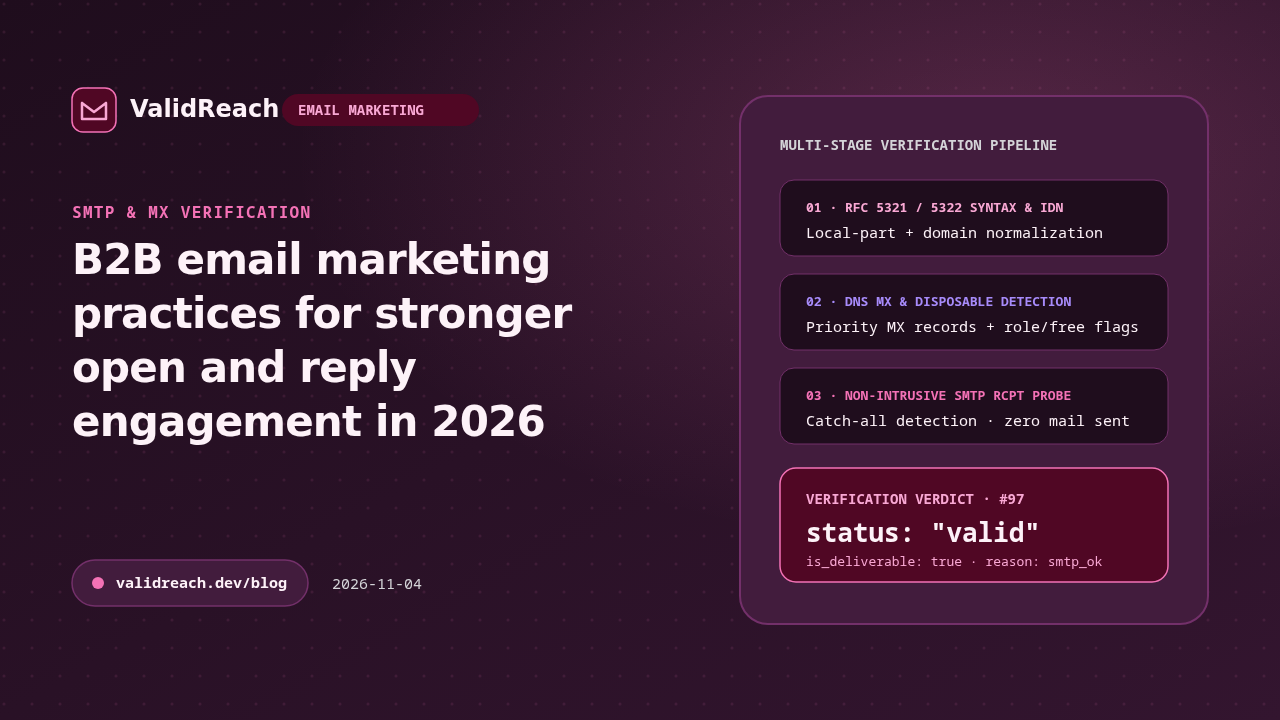
- Run CRM exports through email verification before every campaign to strip syntax errors, expired domains and deactivated employee mailboxes.
- Separate
catchalland sharedroleaddresses (info@,sales@,support@) from individualvalidwork addresses so you can apply stricter cadence and bounce rules.
2. Authenticate and isolate your sending domains
- Configure aligned SPF, DKIM and DMARC records on every domain.
- Send cold or outbound sequences from a dedicated secondary domain rather than the root domain that powers your product notifications and employee mail.
3. Separate human engagement from machine opens
Corporate security scanners (Proofpoint, Mimecast) and privacy proxies frequently request images or follow links within seconds of delivery:
- Filter out non-human opens and instant multi-link clicks executed within the first few seconds of receipt.
- Measure campaign health using verified delivery, human replies, qualified pipeline meetings and low spam-complaint rates (
<0.1%).
4. Write concise, plain-spoken B2B copy
- Use specific, conversational subject lines that describe the actual topic rather than promotional clickbait.
- Send clean multipart (
text/plain+ lightweight HTML) messages and include a frictionless opt-out link (RFC 8058).
Sources
- Google Workspace Admin Help — Email sender guidelines — accessed 2026-11-04
- IETF RFC 8058 — Signaling One-Click Functionality for List Email Headers — accessed 2026-11-04
- ValidReach Verification Results Reference — accessed 2026-11-04